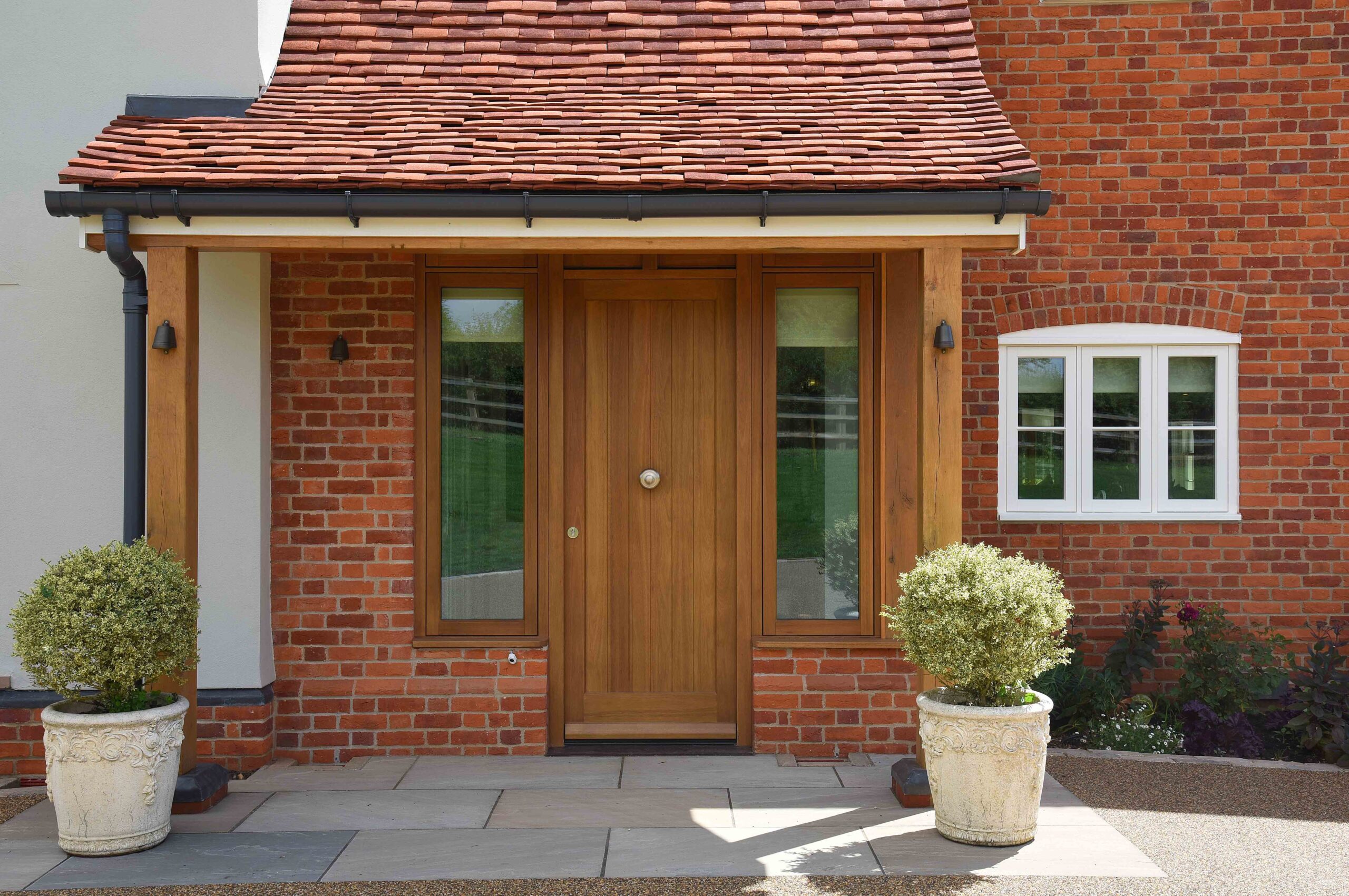
This Is The Ultimate Cheat Sheet On New Door Installation
A Comprehensive Guide to New Door Installation: Transform Your Space
Installing a new door can be a transformative process for any home or company. Whether Windows And Doors R Us are upgrading your entranceway, improving security, or just refreshing the visual of your space, understanding the ins and outs of door installation is crucial. In this blog site, we will cover the types of doors readily available, the installation process, vital tools, and suggestions. We will likewise address some frequently asked questions to provide clearness on new door installations.
Why Upgrade Your Door?
Before diving into the installation process, it's important to comprehend the benefits of updating your door:
- Enhanced Security: New doors are often more safe than older designs, which might not satisfy modern security standards.
- Improved Energy Efficiency: New doors provide much better insulation, which can cause lowered energy costs.
- Visual Appeal: A fresh door can significantly improve your home's curb appeal and interior style.
- Increased Property Value: Investing in quality doors can increase the market worth of your home.
Advantage
Description
Boosted Security
New doors are created to improve safety with advanced locking systems.
Improved Energy Efficiency
Correctly insulated doors help regulate indoor temperatures, lowering energy expenses.
Visual Appeal
A wide variety of styles can match any architectural theme, raising your property's appearance.
Increased Property Value
Well-crafted doors can attract buyers and improve resale value.
Types of Doors
Picking the ideal kind of door is critical in ensuring it meets your needs. Below are some common kinds of doors you may think about:
Door Type
Description
Benefits
Entry Doors
Usually the primary entrance to the home, created for security and aesthetic appeals.
High effect on curb appeal and security.
Interior Doors
Utilized within the home for spaces, closets, and restrooms.
Assists with personal privacy and sound control.
Sliding Doors
Doors that move open, frequently used for patio areas or outdoor gain access to.
Saves space and offers terrific views.
French Doors
Double doors that open outwards, usually made from glass.
Adds beauty and natural light to areas.
Garage Doors
Designed for garage gain access to, offered in manual and automated styles.
Improves functionality and security of the garage.
Bi-fold Doors
Collapsible doors that open to develop big openings.
Perfect for open layouts and connecting indoor and outside areas.
Tools Required for Installation
Before beginning the installation process, it is necessary to gather the essential tools:
Tool Name
Function
Drill
For drilling holes for hinges, locks, and installing.
Screwdriver
To secure screws in hinges and hardware.
Hammer
For tapping in nails and changing fittings.
Measuring Tape
To measure the door frame and guarantee proper fit.
Level
To guarantee the door is installed directly and plumb.
Chisel
For preparing the door frame for hardware.
Saw (ideally a circular saw)
To cut the door, if essential.
Security Gear
Consists of safety glasses and gloves for protection while working.
The Installation Process
Now that you have the tools and an understanding of the types of doors, follow this step-by-step guide for a successful door installation:
Step 1: Measure the Doorway
- Utilize the determining tape to assess the height and width of the door frame.
- Deduct ¼ inch from the height and width measurements for a proper fit.
Action 2: Choose Your New Door
- As soon as you have your measurements, select a door that matches your requirements (style, material, security).
- Purchase the door and any additional hardware (hinges, locks).
Action 3: Remove the Old Door
- If changing an existing door, eliminate it from its hinges using a screwdriver or hammer.
- Get the door frame if necessary, particularly if it is damaged.
Step 4: Prepare the Frame
- Make sure the door frame is clean, devoid of particles, and straight.
- Check for any damage or rot that may need attention before setting up the new door.
Step 5: Install the New Door
- Place the new door into the frame, ensuring it is level.
- Use shims to adjust the door if it does not fit well.
- Protect the hinges to the door and then to the frame utilizing screws.
Step 6: Check Alignment
- Ensure that the door opens and closes efficiently with no obstructions.
- Adjust hinges or shims if needed, re-checking with the level.
Step 7: Install Hardware
- Attach any doorknobs, locks, or additional hardware.
- Make sure the locking system works appropriately.
Step 8: Finish Up
- Inspect your work for any changes.
- Sand down rough edges or use finish if required for looks.
Tips for a Successful Installation
- Take Your Time: Rushing can cause pricey errors.
- Look for Help: If uncertain, do not be reluctant to look for the help of a professional installer.
- Read Manufacturer Instructions: Follow any particular guidelines supplied with the new door and hardware.
- Safety First: Always use security goggles and gloves to secure yourself throughout installation.
FREQUENTLY ASKED QUESTION
Q1: How long does it require to set up a new door?
A1: The installation can typically take anywhere from 1 to 3 hours, depending on your experience and the complexity of the door type.
Q2: Do I require special tools for installation?
A2: While some basic tools will be enough, using a level, drill, and measuring tapes will guarantee more accurate outcomes.
Q3: Can I install a new door myself?
A3: Yes, house owners with some DIY experience can install a door themselves, however professional help is recommended for intricate setups.
Q4: What should I do if my new door doesn't fit?
A4: Check your measurements carefully. If issues persist, shimming changes may assist. If not, consider consulting a professional.
Q5: How much does door installation cost?
A5: The cost can differ extensively based on door type and installation intricacy, ranging from ₤ 150 to ₤ 1,000 or more for professional installation.
Updating your doors can improve your home's visual appeals, security, and energy performance. By understanding the numerous kinds of doors, making use of the right tools, following the detailed process, and keeping some pointers in mind, you can effectively install a new door. Whether selecting a DIY approach or employing a professional, changing your space with a new door is an investment worth making.